It’s easy to take this little grape for granted, after all Dan Murphy’s alone stocks 171 different bottles, and we carry no less than 15 on our shelf of 150 wines. The plurality of Riesling speaks to its success; this versatile little grape appears in myriad forms from youthful acid trippers, to laid-back off-dry treats, to luscious and complex sweet wines.
So why is Riesling so dominant in the world of wine? And what makes it such a versatile option for growers and winemakers?
Riesling’s journey starts in the garden of Count John IV of Katzenelnbogen, or more accurately that of his gardener. Count John’s accounts are the first written evidence of Riesling vines, for which he paid 22 shillings in 1435. The grape certainly has an ancestry older than that, with the parent grapes recently identified as Heunisch and Traminer, both of which have also long been documented in the Rhine region. To this day European Riesling production is focused on the border of Germany and France, with other significant plantings in Austria and Central Europe.
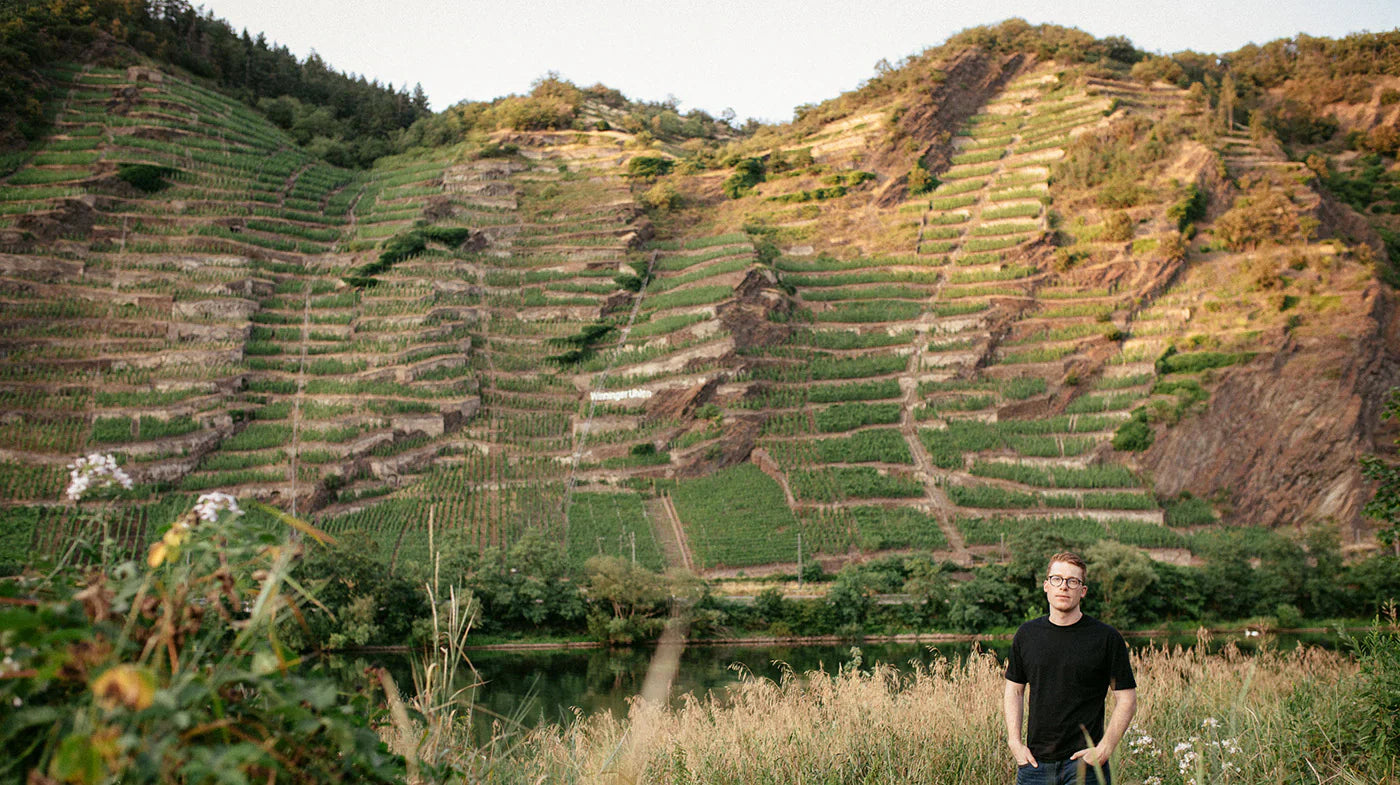
While the varietal itself is ancient, many of the vines are not. Most Riesling stock was eradicated alongside 60-90% of all wine grapes in Europe by the spread of Phylloxera in the 1800s. However, a small crop remained untouched in the Mosel region of Germany, thanks to the slate soil being uninhabitable to the pest. These vines, as well as those already established in Australia, were used as the basis for grafted stock, and now many European vines feature Phylloxera-resistant American rootstock and traditional wine-grape shoots.
Australia received its first Riesling vines in 1838, and for over 100 years it remained the country’s most popular white wine grape. While Chardonnay has since taken that crown, many regions continue to specialise in Riesling, notably the Clare and Eden Valleys of South Australia and the Great Southern Region of Western Australia. As Riesling is a highly terroir-expressive varietal, these regions’ wines each have a distinctive character, but many aged examples trend towards a common aroma note - Kerosene.
But why would a wine smell like Kerosene? Riesling is a white grape, but when fully ripe a blush speckling takes over the skin, with darker patches correlating to higher sun exposure. These pigment chemicals are a kind of sunscreen the grape uses to defend itself, and during maturation these chemicals can link up to produce a compound called TDN. TDN is where the Kerosene note comes from, so only those grapes which have been ripened well in a high-sun environment will develop these aromas, and only if they’re matured for an extended period of time.
So is it a good thing? It depends who you ask. It is no surprise that such flavours are seen as synonymous with the Eden Valley, with premium producers chasing small batches of ageworthy wines. Conversely, the German Wine Institute actually shuns the appearance of TDN in premium wines, as its market is dominated by more youthful, primary-fruited examples that sell well to younger or less-experienced audiences.
Now the hardest question of all, which Riesling should you drink? With so many options to choose from it can be hard to know where to begin, but here are my recommendations for anyone wanting to start, or rediscover, their love of Riesling!